How is Merino wool made?
When dealing with clients, we generally recommend Australian Merino wool. Australian Merino wool is highly regarded for its fine quality. Its fibers are extremely soft, which makes the resulting products not only comfortable to wear but also suitable for various types of clothing and textiles. In terms of cost - effectiveness, it outshines New Zealand's Merino wool. Australian wool production benefits from large - scale and efficient farming methods. This allows for a relatively lower price while still maintaining high - end quality. So, clients can get more value for their money with Australian Merino wool products. However, we are well aware that different clients have different needs. Some may prefer the unique features of New Zealand's Merino wool, like its specific fiber characteristics that can give a distinct texture to the final items. That's why, although we usually suggest Australian Merino wool, we also keep New Zealand's Merino wool in stock. If you have a preference for New Zealand's Merino wool, feel free to let us know, and we'll be more than happy to provide it for you.
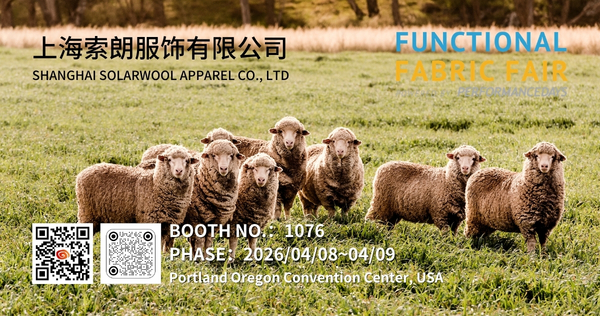
Australian woolgrowers have long been at the forefront of the global wool industry, and their Merino sheep are the source of some of the most exceptional wool in the world. Employing sustainable farming practices, these dedicated producers ensure that the Merino sheep are raised in an environment that is both nurturing and environmentally friendly. The sheep graze on natural pastures, benefiting from the bountiful Australian landscape, and this natural diet, combined with access to clean water, fresh air, and abundant sunshine, contributes to the production of the finest wool.
The production of Merino wool stands in stark contrast to that of synthetic fibers. Synthetics are industrially manufactured from non - renewable fossil energy sources. The extraction and processing of these fossil - based materials not only contribute to environmental degradation but also rely on finite resources that are rapidly depleting. In contrast, Merino wool is a natural fiber that is organically grown by Merino sheep throughout the year. It is a completely renewable resource, as every year, these sheep produce a new fleece. This renewable aspect makes Merino wool a sustainable choice for consumers who are increasingly conscious of their environmental impact.
Wool is a remarkable fiber with a long - standing history. Arguably, it is one of the oldest - known animal fibers used by humans. Composed primarily of a natural protein called keratin, the same protein found in human hair, it also contains small amounts of calcium, sodium, and fat. This unique composition gives wool its characteristic properties. The keratin provides strength and resilience, allowing woolen products to withstand regular use. The small amounts of other components contribute to its softness and insulating qualities.
The surface of each wool fiber is covered in tiny scales, a feature that is of great significance in the textile industry. These scales play a crucial role in the creation of felts and traditional woollen cloths. When wool is processed to make felt, the scales interlock with one another under the influence of heat, moisture, and agitation. This interlocking forms a dense, matted fabric that is highly durable and has excellent insulating properties. In the production of traditional woollen cloths, the scales also contribute to the texture and appearance of the fabric, giving it a unique look and feel that is distinctively "woolen." Overall, the natural origin, renewable nature, and unique composition of Merino wool make it a fiber that is both valuable and sustainable in the modern world.
Natural versus synthetic fibres
What is Merino wool?
Related Article